In today’s crowded information landscape, NGOs are doing incredible work in communities every day. They are transforming lives, empowering individuals, improving livelihoods, advocating for change, and addressing some of society’s most pressing challenges. Yet many organizations struggle to communicate their impact effectively.
One of the most powerful tools available to NGOs is storytelling. More importantly, it is not just storytelling that creates impact, it is consistent storytelling.
Why storytelling matters
People connect with stories more than statistics.
While reports, data, and project metrics are essential for accountability and monitoring, stories bring those numbers to life. A statistic may tell us that 500 women received business training, but a story helps us understand how one woman’s life changed because of that opportunity.
Stories create emotional connections. They help donors, partners, beneficiaries, and stakeholders understand not only what an organization does, but why its work matters.
The challenge many NGOs face
Many NGOs only communicate during major events, project launches, or reporting periods. As a result, months of meaningful work often go undocumented and unseen.
This creates a communication gap where stakeholders may only see fragments of an organization’s journey rather than the full picture of its impact.
Consistent storytelling helps bridge that gap and increase organization visibility.
What consistent storytelling looks like
Consistent storytelling is the practice of regularly documenting and sharing stories from projects, programs, events, and communities.
This can include:
- Beneficiary success stories
- Project updates
- Community impact stories
- Staff and volunteer experiences
- Photo essays
- Short videos and documentaries
- Behind-the-scenes content
- Lessons learned and success stories
The goal is to create an ongoing narrative that reflects the organization’s mission and impact over time.
The benefits of consistent storytelling
1. Builds trust and credibility
Stakeholders want to see evidence of impact. Regular stories demonstrate transparency and show how resources are being used to create meaningful change.
2. Strengthens donor relationships
Donors are more likely to continue supporting organizations when they can see the real-world outcomes of their contributions. Stories provide tangible examples of progress and transformation.
3. Increases visibility
Consistent storytelling keeps an organization visible across digital platforms, websites, newsletters, and social media channels. This helps attract new supporters, partners, and opportunities.
4. Preserves institutional memory
Projects end, staff change, and communities evolve. Documenting stories ensures valuable experiences and lessons are preserved for future learning and communication.
5. Inspires action
Stories have the power to motivate people to donate, volunteer, advocate, partner, or simply learn more about a cause.
The role of visual storytelling
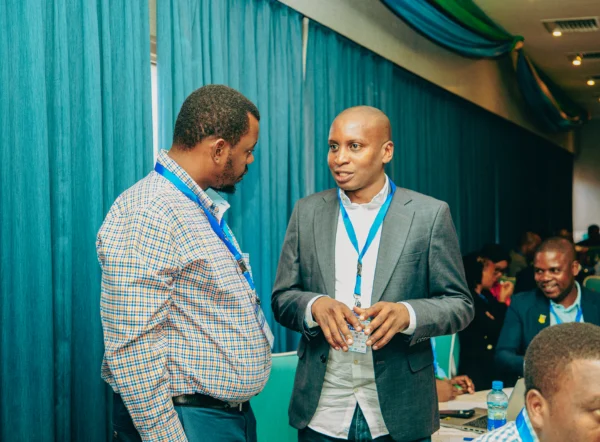
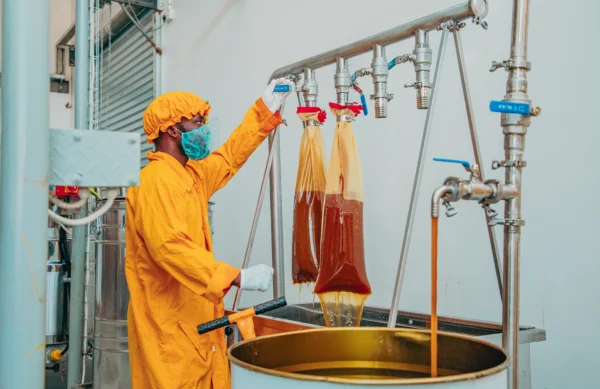
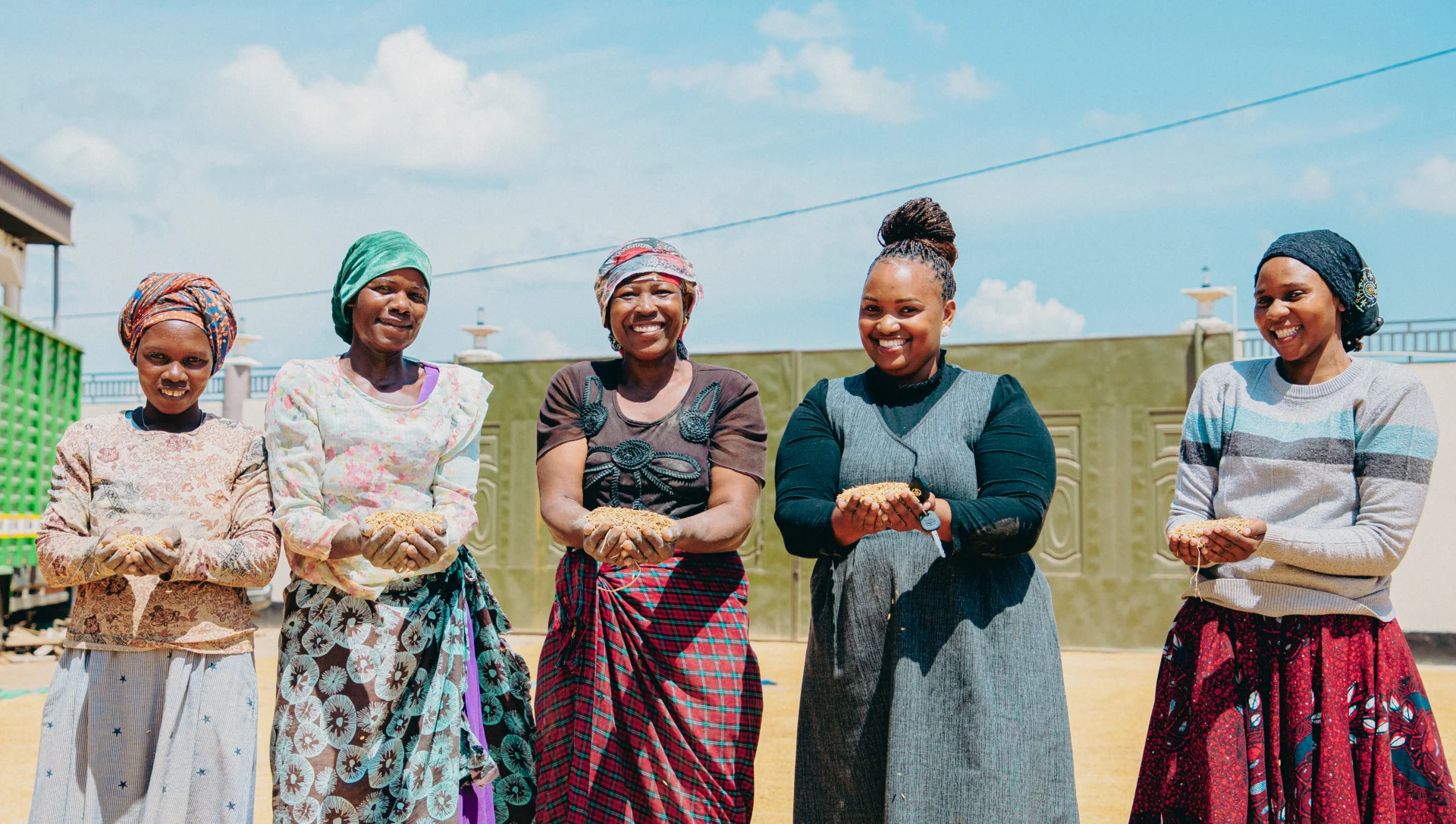
Photography and video play a critical role in effective NGO storytelling.
A compelling photograph can communicate emotion, resilience, hope, and transformation in ways that words alone cannot. Similarly, a well-produced video can bring audiences closer to communities and experiences they may never encounter firsthand.
Visual storytelling helps audiences see the people behind the projects and understand the human impact of development work.
Making storytelling a strategic priority
For storytelling to be effective, it should not be treated as an afterthought. Organizations should integrate storytelling into project planning and implementation from the beginning.
This means:
- Identifying stories throughout project cycles
- Capturing high-quality photos and videos regularly
- Collecting testimonials and personal experiences
- Developing communication plans that prioritize impact stories
- Sharing content consistently across multiple platforms
Stay with this
The most impactful NGOs are not only doing great work, they are also communicating that work effectively.
Consistent storytelling allows organizations to showcase their impact, strengthen stakeholder relationships, build trust, and inspire action. It transforms projects into narratives, beneficiaries into voices, and outcomes into lasting connections.
At RM Photography & Comms, we believe every organization has a story worth telling. Through professional photography, videography, and strategic communication, we help NGOs capture, document, and share the stories that matter most.
Because when stories are told consistently, impact becomes visible.